Home / Our Work / Domestic Violence

Domestic Violence

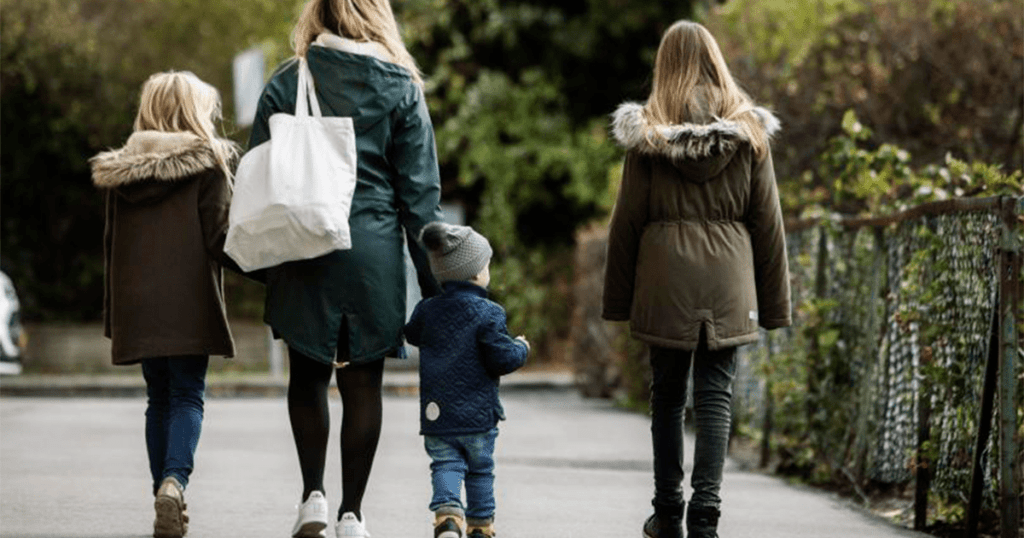
Every day, people from all walks of life are affected by domestic violence. Violence can have serious consequences for the entire family and is never acceptable. Therefore, early intervention and access to the right help are crucial to identifying and helping families to prevent or break the cycle of violence.

In the area of Domestic Violence, The Mary Foundation works to ensure a childhood and family life free of violence. We work to raise awareness of domestic violence, prevent it from happening, and support those affected towards a life without violence.

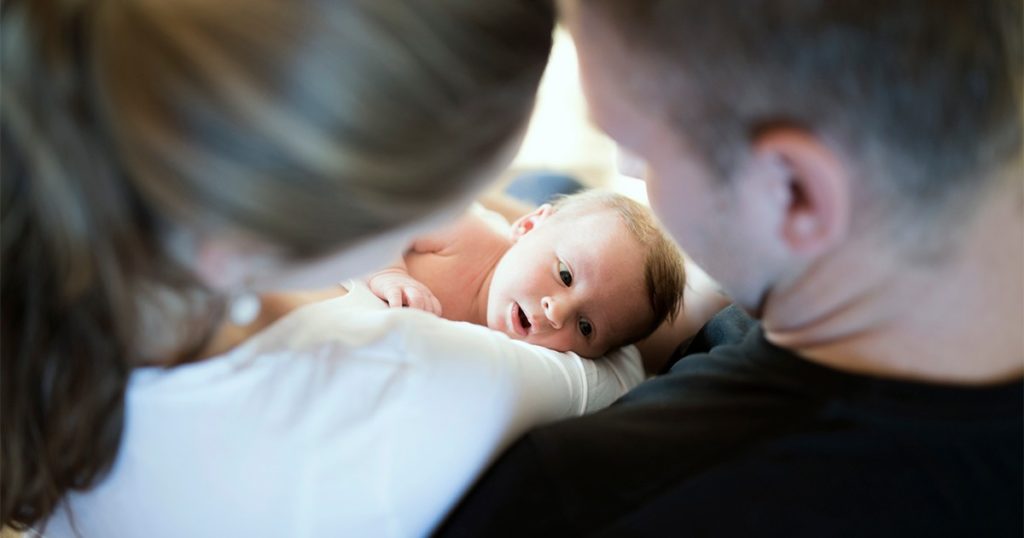
As a victim or witness of domestic violence, you may feel alone. Through our projects and initiatives, we help families break the cycle of violence. At The Mary Foundation, we have a particular focus on prevention and early intervention by collaborating with professionals — midwives and public health nurses— who are close to families with young children. It is the cornerstone of the programs Expecting without violence − pregnant couples and Parenting without violence − parents of young children, where the upskilling of professionals equip them with tools to recognize, support and help families who need extra care.

Being subjected to violence is never the victim’s fault, and domestic violence is never the child’s fault. That is the clear message of our project Backpacks for children in crisis centers. The backpacks are first and foremost a gift for the children, but they are also used as a pedagogical tool in conversations with the children.

In addition to our projects and initiatives, we work to raise awareness of domestic violence and spread new knowledge that can strengthen and broaden the understanding of violence and its many forms amongst the Danish population.  Because we want to contribute to ensuring that adults are equipped to react when witnessing violence.

Through our work within the area of Domestic Violence, we aim to help prevent and counteract social isolation as a consequence of violence. We want to break down taboos and create hope for the many people living with violence in close relationships — by showing that help is available, and that there are alternatives to the language of violence.

  • 5.5% of women and 4% of men over the age of 16 reported being subjected to physical or psychological partner violence in 2021.
    (National Institute of Public Health, 2022)
  • In 2020, 3.4% of the adult Danish population had experienced at least one of four types of partner violence: physical, psychological, sexual, or economic. This applied to 4.5% of women and 2.4% of men.
    (VIVE, 2022)
  • Various studies have examined the extent of violence against children. A 2016 study (SFI) found that nearly one in six children grow up in homes where violence occurs. A 2025 study by Børns Vilkår shows that approximately one in six Year 8 pupils has been subjected to physical or psychological violence by a close adult.
  • Witnessing violence against a close family member can be just as harmful to children as experiencing violence themselves.
    (VIVE, 2020)
  • A child growing up with domestic violence may live in a constant state of fear and alertness — even between episodes of violence. This can lead to serious and lasting psychological harm, which may also affect the child’s academic performance and social wellbeing at school.
    (Øverlien, 2012; Lyk-Jensen, 2017)
  • In 2024, 3,300 people stayed at shelters in Denmark bringing with them 2,600 children.
    (Statistics Denmark)
  • Life-changing events such as becoming a parent can trigger or escalate violence in a family. 13% of women surveyed at shelters said the violence began during pregnancy, and 51% said it became more frequent after childbirth.
    (Partner Violence Before, During and After Pregnancy, SocialRespons, 2022)
  • Nearly three out of four abusers have experienced domestic violence growing up.
    (Dialog Mod Vold, 2018)
Children arrive at crisis centres with nothing
When children walk into a crisis centre or women’s shelter with their mother, they often arrive with only the clothes on their back. Sixty-seven per cent of Danish crisis centres find that children often or…
Read more